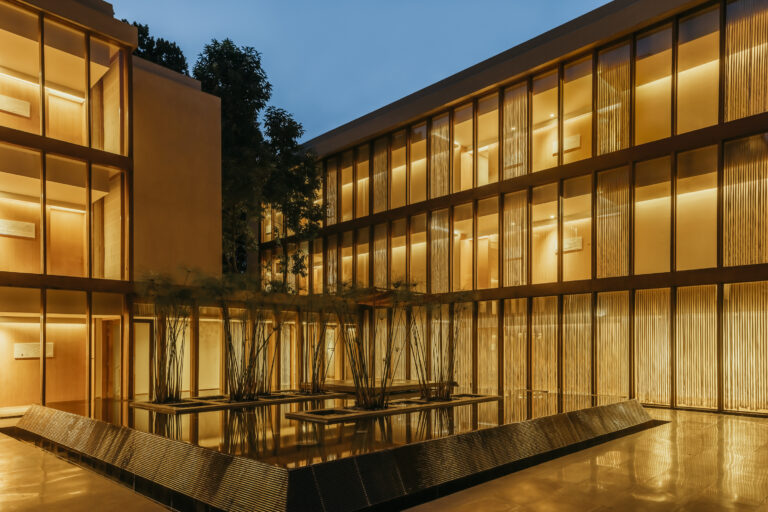
Ayurveda is central to many travelers’ interest in India, but programs differ in emphasis and intensity. Discuss the proposed practices, any herbs or supplements and dietary changes before committing. Share medication and health information with appropriately qualified professionals.
How to use this selection
Compare purpose, program structure, privacy and practical fit. Order reflects this guide’s editorial focus.
Ayurveda can appear in a program as a central traditional framework or as a small part of a broader spa menu. Before booking, ask what the term means in the specific proposal: consultations, daily routines, food arrangements, external treatments, yoga or other practices. A familiar label does not establish that two retreats provide the same experience, professional oversight or level of intensity.
This selection compares Ananda in the Himalayas and Six Senses Vana, both in Uttarakhand, India. It is a focused comparison of two properties in this directory, not a complete ranking of every Ayurveda destination. Their inclusion reflects their stated offerings and travel formats. It should not be read as independent validation of every traditional explanation or health claim used in program marketing.
Ananda: a palace estate near Narendra Nagar
Ananda places Ayurveda alongside yoga and meditation within its estate above the Ganges valley. Its location near Narendra Nagar is different from staying in the center of Rishikesh. Ask how the chosen program uses the setting, what a typical day contains and how much time is devoted to individual consultations and treatments. The appeal of the landscape should complement a clear understanding of the program.
The official Ananda program page describes several routes and levels of commitment. Request the current requirements for the one relevant to you rather than assuming that all programs have the same minimum stay. Confirm meals, private sessions, assessments and transfers in the quotation. An introductory experience and a more intensive program should be evaluated as different bookings with different expectations.
Six Senses Vana: an immersive Dehradun setting
Six Senses Vana offers a forest-edge retreat environment in Dehradun, combining Ayurveda with yoga, Tibetan medicine and other well-being disciplines. Ask which elements are proposed for your stay and why. A broad range of traditions gives the provider several possible routes, but it does not mean every guest follows all of them or that each component is automatically suitable for everyone.
Use the official Vana page to review the general approach and published inclusions. Then confirm your specific program, accommodation, daily treatment allocation and transfer arrangements. Ask how the itinerary is agreed and whether it changes after the initial consultation. Understanding that process is especially useful when booking an immersive retreat whose daily rhythm will shape most of your time away.
Compare the experience before comparing the room category
Place the two proposed timetables side by side. Compare consultation time, treatments, teaching, meals and free periods rather than counting only advertised services. Ask how much is individual and how much occurs in a group. A program with more components may leave less space to enjoy the setting, while a lighter program may better fit someone who mainly wants an introduction to traditional practice.
Consider atmosphere and choice as well. Do you want a closely guided routine or room to decide how to spend an afternoon? Are shared activities appealing, and are they optional? The solo traveler collection and couples collection explore these practical differences. Accommodation matters, but it should support the retreat format you actually want rather than distract from an unsuitable daily schedule.
Keep traditional practice and evidence in perspective
The NCCIH overview of Ayurvedic medicine explains that the evidence base has limitations and that some Ayurvedic preparations can present safety concerns. Read it alongside commercial program descriptions. A long tradition of use is historical context; it is not equivalent to proof that a specific intervention treats a condition or produces a particular outcome for an individual guest.
Ask the provider to explain the purpose, evidence, uncertainty and alternatives for any proposed component. If a medical condition is your main reason for traveling, discuss appropriate care with a qualified clinician before choosing a retreat. Our wellness versus treatment guide helps separate a well-being experience from services that may be needed for diagnosis or treatment. The two decisions should inform each other without being conflated.
Discuss herbs, supplements and medication before arrival
If a program may include ingestible products, ask for their ingredients, source and intended purpose. Establish who reviews possible interactions with existing medication and who is responsible for suitability. Some Ayurvedic preparations may contain harmful metals, as the NCCIH resource explains. Do not assume that a product is appropriate simply because it is described as natural, traditional or part of a prestigious retreat.
Share relevant medication and health information through the provider’s appropriate intake process and involve your usual clinician where needed. Do not stop or change prescribed treatment to fit a program without qualified guidance. If you prefer not to use a proposed product, ask about alternatives before paying. A clear explanation of choice and consequences is more useful than discovering after arrival that an unwanted component is considered essential.
Ask what dietary changes and intensive practices involve
Request a practical description of meals, any restrictions and how individual needs are reviewed. Clarify whether the program involves fasting, cleansing practices or other demanding components rather than relying on unfamiliar terminology. Ask who assesses suitability, what monitoring is provided and what happens if you need to stop or change part of the plan. A written outline helps make the decision informed.
Do not choose intensity as a measure of quality. The relevant question is whether the proposed experience is appropriate for you and clearly explained. Our nutrition-focused collection and guide to detox language help distinguish practical food arrangements from broad marketing claims. If the proposal remains unclear, request clarification or compare a less intensive option rather than filling gaps with assumptions.
Confirm teaching, access and communication needs
If yoga or meditation is part of your reason for traveling, ask about teaching style, class size and available adaptations. A program described as personalized should explain how that happens in practice. Discuss mobility requirements, treatment-room access and routes between accommodation and dining. An estate setting can involve changes in level or walking distances that are not obvious in a small selection of photographs.
Ask which languages are available for consultations and whether written information can be provided in a form you understand. This matters when discussing consent, restrictions or unfamiliar practices. The yoga and mindfulness collection examines teaching questions in more detail. Practical communication and access are central parts of program fit, not minor extras to consider only after the destination has been chosen.
Plan the journey and enough usable retreat time
Confirm your arrival airport, transfer duration as quoted for the actual route and how the first day is organized. Ask whether the program begins immediately or after an introductory discussion. Compare total travel effort with the proposed stay length. The duration guide helps distinguish nights booked from the number of complete days available for the program.
Request one quotation covering accommodation, food, consultations, treatments, teaching and transfers. Identify optional purchases and services recommended only after arrival, along with cancellation and change terms. Our cost guide provides a consistent comparison method. A longer stay may suit a particular program, but its purpose and price should be understandable rather than justified only by the general idea that more time must be better.
Leave with clear records and appropriate next steps
Before departure, ask for a record of any products used, relevant consultations and agreed recommendations. Clarify which practices are appropriate to continue independently and which require professional guidance. If you intend to share information with your usual clinician, ask for a usable report with your consent. Continuing care should not depend on remembering unfamiliar names or reconstructing advice after returning home.
Use Bringing the retreat home to organize a manageable continuation. The best Ayurveda retreat for your purposes is one whose setting, traditional practices and daily rhythm fit your interests while its professional scope and safety processes are clear. Choose informed participation and a well-explained proposal over promises of universal suitability, guaranteed healing or dramatic results within a fixed number of days.
BEFORE YOU DECIDE
Three useful questions.
What does the proposed program involve each day?
Who reviews possible interactions with medication?
Which parts of the program are optional?
Each profile links to the provider sources used for this guide. Pricing, availability and suitability must be confirmed directly. Read our guide to choosing a retreat.