Some fitness retreats use a strongly structured shared schedule; others build private sessions into a resort stay. The better choice depends on readiness, preferences and recovery needs. A useful program should explain adaptations before you arrive.
How to use this selection
Compare purpose, program structure, privacy and practical fit. Order reflects this guide’s editorial focus.
A fitness retreat can be a tightly organized movement program, a resort with individual coaching or a broader wellness stay with optional activities. Decide whether you want the day largely planned for you or prefer to choose your own level of participation. Both can be useful travel formats, but they make different demands on time, motivation and physical readiness.
Describe your current activity and any relevant limitations through the provider’s suitability process. Ask what the proposed program expects and how adaptations work. The best match is not necessarily the most demanding schedule. Our retreat selection guide helps define a practical brief before comparing destinations, while the profiles below explain the different operating models behind similar fitness language.
The Ranch Malibu for a structured movement program
The Ranch Malibu offers an organized active stay in the Santa Monica Mountains. Its setting is distinct from a beachfront Malibu vacation. Ask for a representative day, including hiking, other movement, meals and recovery time. Clarify the physical demands and the process for discussing whether the program fits your current circumstances before committing to travel.
The official Malibu page outlines current program formats. Confirm the duration, accommodation and actual inclusions for your dates. If you are attracted by the idea of a shared routine, ask how groups are organized and what happens when someone needs a different pace. Structure is valuable when it supports an appropriate experience, not when it creates pressure to follow an unsuitable activity.
The Ranch Hudson Valley for a New York region option
The Ranch Hudson Valley offers another structured active retreat, this time in New York State rather than Manhattan. It may be more convenient for some East Coast travelers, but compare the complete journey from your departure point. Ask how the itinerary responds to the season and what indoor or alternative arrangements are available when outdoor plans change.
Use the official Hudson Valley page to confirm current program dates and lengths. Do not assume that every element is identical to Malibu simply because the properties share a brand. Compare the actual schedule, terrain, accommodation and travel logistics. The New York collection explains the regional context and helps separate a destination retreat from an urban spa break.
Sensei Porcupine Creek for well-being, golf and tennis
Sensei Porcupine Creek in Rancho Mirage combines well-being services with golf and tennis in a desert estate setting. It may appeal when sport-specific interests and individual guidance matter more than following the same activity sequence each day. Ask which coaching, assessments and sports arrangements belong to the proposed package and which require additional reservations or fees.
The official retreat page provides the program context. Compare private session time, leisure and access to the facilities you intend to use. A sports-focused package should be evaluated on its actual teaching and practical arrangements rather than the size of the grounds alone. Confirm how a companion with different interests could use the same stay comfortably.
Canyon Ranch and Chiva-Som for broader wellness choice
Canyon Ranch Tucson offers a wide well-being menu in Arizona’s Sonoran Desert. Ask for help choosing a manageable schedule if the breadth of options is part of the appeal. Its official Tucson page outlines the setting and routes. Identify which desired activities and professional sessions are included in your chosen booking rather than treating every advertised option as automatically available.
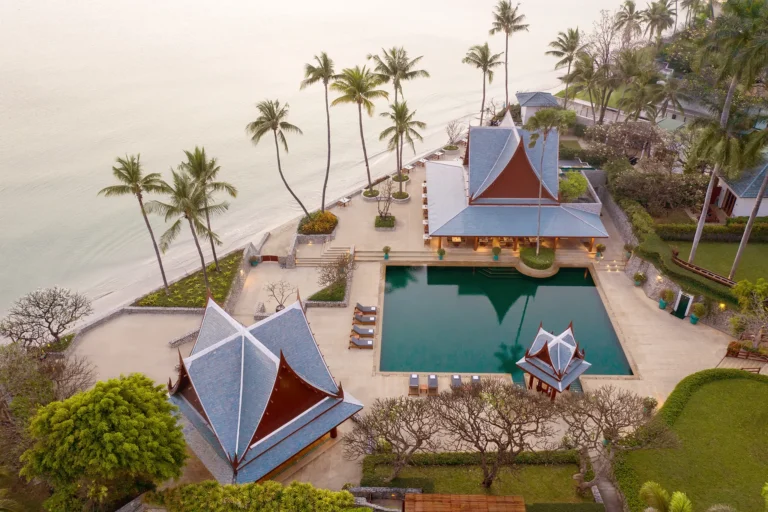
Chiva-Som in Hua Hin combines fitness with other wellness disciplines in a beachfront environment. The official Hua Hin page explains the broader approach. Compare the amount of movement, private instruction and restorative time with the American options. A broader program can be attractive when activity is important but you do not want the entire trip organized around physical challenge.
Ask how readiness and adaptations are assessed
Request a clear explanation of pre-arrival screening and the first discussion on site. Tell the appropriate professional about relevant health concerns or injuries and ask whether further advice is needed before participation. Clarify who leads activities, what qualifications are relevant to their role and how changes are agreed. A program should be able to explain more than a general promise that all levels are welcome.
Ask what happens if the planned activity is unsuitable on a particular day. Are there alternatives, individual adjustments or a straightforward option to rest? Find out whether changing the schedule affects package value or additional charges. Our health assessment questions guide helps when testing is proposed. Assessment should serve an understandable purpose rather than become another item on an impressive-looking menu.
Evaluate recovery, food and the daily rhythm
Read the full timetable rather than only the headline activity. Look at early starts, transitions, meals and the time available between sessions. Ask how recovery is built into the program and who reviews individual nutrition needs. If the food plan includes restrictions, understand them before booking and discuss suitability with an appropriate professional. Physical intensity and dietary restriction should not be assumed to be necessary companions.
Compare how much choice you want. A set schedule can simplify decisions, while a flexible resort allows a more varied vacation. If different members of your party want different levels of activity, ask for separate sample days. The couples collection and solo traveler collection explore how social preferences and shared time can influence the right active-retreat format.
Plan for season, equipment and total cost
Ask what conditions usually shape the program during your travel period and how the provider changes outdoor activities when needed. Request a current packing list and clarify which equipment is supplied, hired or expected from guests. Check footwear or clothing requirements before arrival. These details can affect both comfort and cost, especially when the program involves a sport you do not regularly practice.
Request a complete quotation for accommodation, program services, meals, transfers and any specialist coaching. Confirm cancellation terms and what happens if you cannot participate after the suitability review. The cost guide helps compare different pricing models. A seemingly inclusive package still needs to be checked against the activities and services you specifically want to reserve.
Bring home a plan that fits ordinary life
Before departure, ask which recommendations are appropriate to continue and whether additional professional guidance is needed. Explain the facilities, time and support available at home. A schedule built around several hours of daily retreat activity may not translate directly into a working week. A useful discussion should identify priorities and relevant adaptations rather than simply repeat the timetable you followed away.
Our Bringing the retreat home guide can help organize that conversation. Judge the trip by the quality of instruction, suitability of the experience and clarity of the next steps. Avoid making guaranteed weight change or a dramatic before-and-after result the test of value. The right fitness retreat is a well-matched active stay with responsible guidance and a rhythm you are prepared to engage with.
Ask for a fitness-retreat plan you can understand
A useful proposal should describe the activity, duration, terrain or equipment, supervision and available alternatives. Terms such as active, performance or intensive do not provide enough detail on their own. Explain your recent routine and relevant limitations accurately so the team can discuss the actual program, rather than responding to a general statement that you want to get fitter.
Compare three different goals: enjoying movement during a vacation, improving a particular skill and following a structured activity-led routine. The first may call for optional classes, the second for suitable individual coaching and the third for a more fixed schedule. These are planning categories, not medical recommendations. A retreat can offer several of them without every package providing the same support.
Ask how the plan changes when you need a lighter day and who makes decisions about participation. Where an injury or health condition is relevant, clarify the appropriate professional review before travel. Also ask what you receive afterward: a summary of instruction, practical recommendations or a follow-up appointment may be different services with different charges.
The retreat selection guide helps connect those questions to your priorities. Compare fitness retreats by the suitability and clarity of their proposed routine, not by which one advertises the most demanding day or the largest number of sessions.
BEFORE YOU DECIDE
Three useful questions.
How is starting fitness assessed?
What happens if an activity is unsuitable?
How are recovery and adequate nutrition built into the day?
Each profile links to the provider sources used for this guide. Pricing, availability and suitability must be confirmed directly. Read our guide to choosing a retreat.