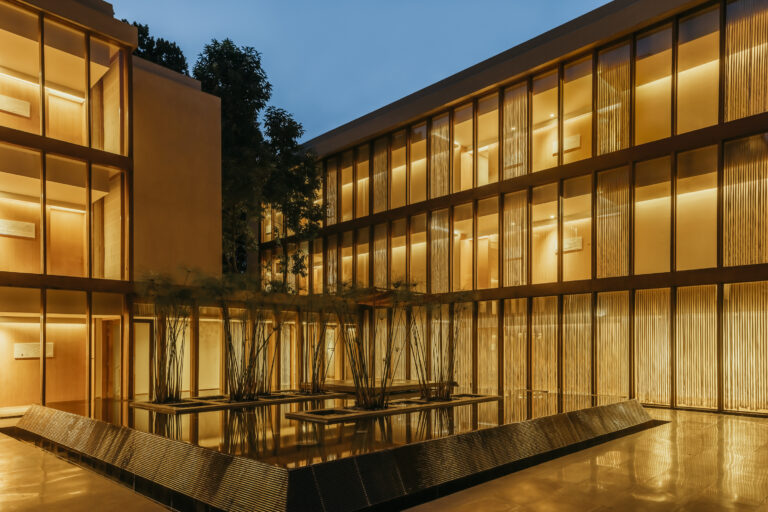
This selection spans traditional yoga-led programs and resorts offering individual mindfulness sessions. Check the teaching style, class size and level before booking. A retreat with a yoga class is not necessarily an immersive yoga retreat.
How to use this selection
Compare purpose, program structure, privacy and practical fit. Order reflects this guide’s editorial focus.
A resort with a daily yoga class and an immersive yoga retreat can offer very different experiences. Decide whether practice is the main reason for traveling or one part of a broader vacation. Ask how much teaching is included, who leads it and how the rest of the day is organized. The answer should be specific enough to distinguish a program from a general facilities list.
Mindfulness is also used to describe a wide range of experiences, from brief guided sessions to more sustained practice. State your experience and preferences plainly, including whether you want physical movement, meditation, philosophy or a combination. Our retreat selection guide helps turn these priorities into a useful brief before the destination or accommodation style takes over the decision.
Ananda for yoga within a broader traditional program
Ananda in the Himalayas places yoga and meditation alongside Ayurveda in a palace estate near Narendra Nagar. It is relevant when traditional practice is a central interest. Ask which program is proposed, how much teaching is individual and whether the approach suits your current experience. A striking setting does not answer questions about the actual content or pace of instruction.
The official Ananda program page provides a starting point for comparing its routes. Request a sample timetable and clarify the balance of practice, treatments and free time. If you want a predominantly yoga-focused trip, say so rather than assuming that every program allocates the same amount of time to it. Different priorities may lead to different recommendations within the same retreat.
Six Senses Vana for an immersive retreat environment
Six Senses Vana in Dehradun combines a forest-edge setting with several traditional well-being disciplines. The rhythm of the wider retreat is part of its appeal. Ask how yoga and meditation would fit your proposed program, what is taught privately and which shared activities are available. Confirm the current inclusions for your exact stay rather than borrowing details from a different package.
Use the official Vana page to understand the general approach. Discuss suitability, preferred level and any access needs before traveling. An immersive environment can reduce everyday distractions, but it should still be clear which practices are optional and how individual needs are handled. Compare those everyday arrangements with Ananda as carefully as the setting and room category.
Kamalaya for practice within a restorative program
Kamalaya on Koh Samui offers yoga and reflective practices within a broader restorative wellness setting. Ask whether the program you are considering includes the amount and type of teaching you want. A general activity schedule may change, so identify any sessions essential to your decision and find out whether they can be confirmed for your dates.
The official Kamalaya site outlines the program range. Consider accommodation location, hillside access and the balance between private appointments and shared experiences. If you are looking for a gentle introduction, explain that directly. If you already practice regularly, ask how instruction can meet that experience without assuming that every available class will be advanced or individually adapted.
Sensei Lānaʻi and Miraval for flexible resort experiences
Sensei Lānaʻi offers well-being services within an upland Hawaiian resort setting. It may suit someone who wants practice alongside hospitality, dining and leisure. Ask which private sessions are included in the chosen package and how they relate to shared activities. The official Sensei page provides the current program context and should be checked against a written quote.
Miraval Arizona offers mindfulness-oriented experiences within a broader desert resort stay. Use the official Arizona page to identify its approach, then clarify availability and resort-credit rules. Compare the amount of actual teaching with the more immersive Indian options. A flexible resort may be the better fit when practice matters but you also want substantial freedom to choose other experiences.
Ask about teaching style and practical adaptations
Request details about the instructor’s training, experience and approach to beginners or participants with limitations. Explain relevant needs through the provider’s appropriate intake process. Ask about class size, language, pace and whether alternatives can be offered. An advanced physical practice, a restorative session and a meditation class place different demands on participants even when they appear under the same well-being heading.
The NCCIH overview of yoga discusses evidence and safety, including the importance of appropriate instruction and modifications. It is useful background reading, not an individual prescription. If a health condition affects participation, discuss it with an appropriate clinician and the qualified instructor. Do not assume that luxury surroundings make every advertised practice suitable for every guest.
Treat meditation as a practice with individual considerations
Ask what a meditation session involves: its length, teaching method, level of guidance and expectations about silence or group discussion. If you are new to it, a clear introduction may be more useful than a demanding schedule. If you have previous experience, explain the approach you know and what you want to explore. Familiar terminology does not mean different teachers use an identical method.
The NCCIH review of meditation and mindfulness describes both research limitations and safety considerations. Avoid treating a retreat as a guaranteed solution to emotional or medical difficulties. Ask how the program responds if a practice feels uncomfortable and what support is available. Participation should involve informed choice rather than pressure to continue because an activity is described as universally beneficial.
Compare the schedule, duration and complete cost
Request the number and length of private sessions, the likely group timetable and time left for rest. Check which elements are guaranteed and which depend on availability. If the trip is short, consider how much usable practice time remains after travel and transfers. Our duration guide helps compare nights away with the actual experience offered.
Ask for accommodation, meals, teaching, treatments and transfers in one quotation. Confirm whether equipment, additional tuition or program changes incur a charge. The cost guide provides a consistent comparison framework. A property with fewer included sessions may still fit a vacation brief, while someone traveling principally for instruction should evaluate the teaching allocation as a central part of value.
Leave with a continuation you understand
Before departure, ask the teacher which parts of the experience are appropriate to continue independently and which require guidance. Request a manageable explanation rather than trying to reproduce the entire retreat schedule at home. If you want ongoing instruction, discuss the qualifications or teaching style to look for locally. The aim is a clear continuation suited to your circumstances, not an obligation to buy more services.
Our Bringing the retreat home guide can help organize those next steps. Choose the retreat whose actual instruction, setting and pace match your reason for traveling. A well-designed yoga or mindfulness trip should make its practices understandable, its boundaries clear and its daily rhythm comfortable enough for you to engage with the experience you came for.
An introductory yoga class or a learning-led retreat?
Decide whether you want to sample a practice during a vacation or devote a substantial part of the stay to learning it. A varied resort calendar and a sequence of individual teaching sessions can both be appealing, but they provide different experiences. Ask how the proposed sessions connect, what level is assumed and whether the same instructor will help you review what you have learned.
For a beginner, useful questions concern the practical format: how much time involves movement, seated practice, discussion or silence; how instructions are explained; and what alternatives exist when something is uncomfortable. For an experienced guest, describe the interests you want to explore rather than requesting an undefined advanced program. The number of sessions alone will not show whether the teaching matches that brief.
Ask what you can realistically take home. This might be written notes, an agreed short practice or an explanation of how to find suitable continuing instruction. These are possible deliverables to discuss, not inclusions guaranteed by every retreat. Any practice affected by an existing health concern should be considered with appropriate professional guidance. The return-home guide helps keep the continuation manageable. Choose the level of instruction that fits your purpose instead of treating the fullest timetable as the obvious best option.
BEFORE YOU DECIDE
Three useful questions.
Which practice traditions and teaching styles are used?
How much one-to-one tuition is included?
Can sessions accommodate beginners or physical limitations?
Each profile links to the provider sources used for this guide. Pricing, availability and suitability must be confirmed directly. Read our guide to choosing a retreat.